We all know that pancakes are a relatively common way to eat pasta. There are many ways to make them, and they have rich flavors. They taste crispy and crispy. They are very popular among people. Many people eat pancakes at home. So what kind of water is better to use for pancakes and noodles? Let’s take a closer look below!
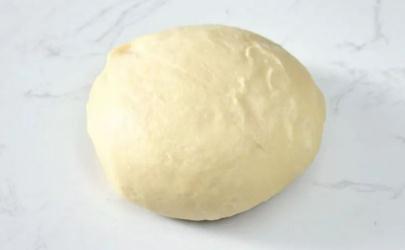
20°C to 30°C water temperature value The most reasonable one, it can fully combine the dough and water. The kneaded dough will be very smooth and elastic. The dough will be twice as big as the normal dough and very plump. The baked cake will be golden and chewy in the mouth.
For pancakes, it is okay to knead the dough below 20℃ in spring and summer, and the dough can rise. If it is in autumn and winter, the dough will easily become dead dough and cannot rise, let alone pancakes. The pancakes will be as hard as stones.
If the water temperature is too high, it is easy to burn the baking powder or old dough to death. Even if the dough is mixed out, it will not be fully fermented. In the end, the dough will be the same size and cannot be pancaked at all. Even if the pancakes are pancaked, they will still be dead dough.
Summary:
For pancakes, it is best to control the temperature of the dough mixing water to 20°C to 30°C. This is a reasonable water temperature value. The noodles will be the best and the pancakes will be the most delicious.
When we eat out, we are often attracted by the taste of various pancakes in restaurants. Some pancakes are crispy, and some are soft. The secret to delicious food lies in kneading the noodles. Different water and ingredients are used to bake pancakes with different flavors.
Knead noodles with boiling water. It's what's commonly known as "hot noodles." Add boiling water to the flour and stir together, then add cold water and knead into hot noodles until the noodles are almost cooked.
① Mix noodles with boiling water + lard: the pastry noodles have a beautiful appearance and are crispy and layered
After the noodles are hot, add cooked lard and knead them into a dough. After waking up slightly, pancakes will be made. The oil will be more viscous and oily.
For example, hand-shredded pancakes, white gluten pancakes, and thin spring pancakes are all made using this dough mixing method.
Use warm water at 40-50 degrees, add it to the flour, and mix it together to make a soft flour product.
For example, sesame sugar cakes, homemade cakes, scallion pancakes, pies, etc.
① Add yeast to warm water and knead the dough: such as Huangqiao Shaobing
Add 250 grams of flour into yeast and warm boiled water to form a dough and let it ferment. After fermentation, add alkaline water and knead until the dough has no sour taste. Add the remaining 250 grams of flour to cooked lard or dry pastry, then use fermented flour and wrap it in dry pastry.
② Add alkali to warm water and knead the noodles: such as golden cake
Put the alkali noodles into a bowl, add a little warm water and mix thoroughly, filter to remove impurities and form alkaline water. Put the flour in a basin, add a little refined salt and alkaline water, mix thoroughly, then use warm water to form a dough, cover it tightly with a damp cloth, wait for 30 minutes until it becomes firm, add a little flour and knead evenly.
③ Add yeast powder and baking soda to warm water and knead the dough: such as beef roasting
Add yeast powder, baking soda and warm water to the flour and knead it into a dough, and let it sit for 30 minutes.
① Add refined salt to water and egg liquid: such as radish cakes, spinach cakes, potato cakes, winter melon cakes, etc.
Crack the eggs into a bowl and beat them up, put the flour into the basin, pour in the egg liquid, then add an appropriate amount of water and knead it into a dough.
② Add water and vegetable oil to knead the dough: such as home-style shortbread
Put the flour into a basin, add water and 50 grams of vegetable oil and mix into a water-oil dough.
③ Add yeast powder + boiling water to scald noodles: such as pretzel cake
Add 300 grams of flour into a basin, add yeast powder and mix thoroughly, then knead the dough with water; put the remaining 200 grams of flour in another basin, pour boiling water and mix thoroughly to form a scalded dough. Mix the dough with the scalded dough and knead evenly.
The choice of pancakes and pasta water mainly depends on the taste of pancakes you want. For example:
1. For cakes with a hard and chewy texture, you generally choose to knead the dough with warm water and salt.
2. If the texture is crisper and the baked cake has a layered texture, you can choose to mix the dough with water and oil.
3. For softer cakes, you can choose half hot noodles and half warm water.
Preparation of raw materials: rich flour, salad oil or lard, salt, sesame oil.
Preparation method:
1. Add an appropriate amount of water to the pot, heat until there is a sizzling sound, mix the dough with warm water, and knead until the dough is smooth and has no flour particles. Cover with plastic wrap and rest for 30 minutes. Do not knead the dough for pancakes to the extreme. If you knead for too long, gluten will form and the pancakes will be very hard. There are no dry flour particles in the dough.
2. Place the relaxed dough on the chopping board and roll it into a thin sheet with a thickness of about 0.5 cm. Pour an appropriate amount of salad oil and sesame oil on the surface, sprinkle with an appropriate amount of salt, and cut into long strips about 1.5 cm wide with a knife. Put 4-5 long strips together, roll them up from both ends to the middle, and roll them into two spiral sheets in the middle. Then stack the two sheets together and set them aside for later use.
3. Preheat the electric baking pan and pour in an appropriate amount of salad oil. Place the dough of the hand-shaped cakes on the electric baking pan and press it flat with your hands, turning it while pressing. Be careful not to burn your hands when pressing. It is best not to roll the cake with your hands. The rolled cake will not be layered very well. The speed of pressing with your hands should be fast. If you press it slowly, it will be easier to shape. Press to a thickness of about 0.5 cm and bake until the surface is golden. Take out the baked hand cake and spread it from all sides to the middle with your hands. It is ready.
Tips:
Hand cakes are also called straw hat cakes. They are crispy on the outside and soft on the inside. After baking, pat them apart and eat them one by one. It is very delicious whether eaten directly or with vegetables or soup. When making the dough for hand cakes, use warm water or hot water. The amount of water should not be too little. Too little water will make the cakes very hard. The consistency of the pancake noodles is just slightly thicker than the jelly.

Top Trends Shaping the Future
Explore the top trends that ar...(157 ) viewsTime:2026-07-13
Wesley and Kingswood Clash for
Catch the thrilling action as ...(17 ) viewsTime:2026-07-13
From Local to Global: How Smal
Explore the steps small suppli...(45 ) viewsTime:2026-07-13
Government Plans to Utilize St
Learn how the government is us...(164 ) viewsTime:2026-07-13